AI, Data & Process Management
Using data and AI to improve decisions, automate processes, and create measurable business value.

-
Strategy & Architecture
Structured data and system foundations designed to support analytics, automation, governance, and scalable, intelligent workflows.

-
Platforms & Infrastructure
-
Insights & Decision Support
-
AI & Practical Applications
-
Process Automation & Optimisation
-
System Integration & Orchestration

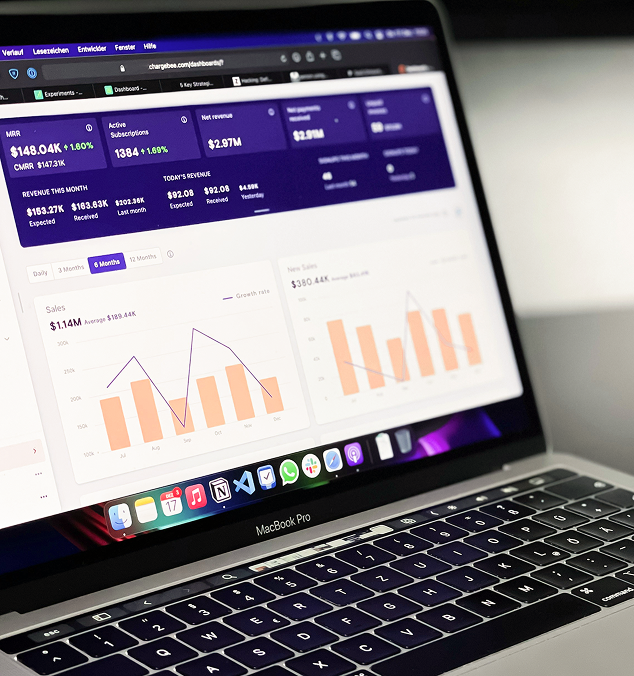



Our 4-Step Approach
From initial idea to production-ready solution. We focus on measurable outcomes by validating use cases early, building structured solutions, and integrating them reliably into your existing system landscape.
-
Identify & Validate the Use Case
We help define the right use case or confirm whether your existing idea is feasible, realistic, and valuable from a business and technical perspective.
-
Assess Feasibility & Impact
We evaluate data availability, system dependencies, technical constraints, expected effort, and potential business impact before development begins.
-
Build & Validate a Practical Solution
We develop a prototype or initial solution, test it in real scenarios, and refine it based on results and operational feedback.
-
Deploy, Integrate & Scale
We integrate the solution into your systems, ensure stable operations, and optimise it for long-term performance, reliability, and scalability.
How We Apply AI in Practice
-
AI Data Cleanup & Enrichment
Clean, standardise, deduplicate, and enrich product, customer, or content data automatically at scale. -
Product Content Automation
Generate, optimise, translate, and improve product and marketing content using AI-driven workflows. -
Personalised Recommendations
Deliver tailored product, content, or offer recommendations based on behaviour and performance signals. -
Predictive Forecasting
Forecast sales, demand, leads, or inventory to support planning and decision-making. -
Automated Reporting & Insights
Generate dashboards and reports that highlight trends, anomalies, and actionable opportunities. -
Workflow & Process Automation
Automate recurring tasks, approvals, synchronisations, and operational processes to reduce manual work. -
AI-Powered Search & Discovery
Improve on-site search, filtering, relevance ranking, and product discovery with intelligent algorithms. -
Data Quality Monitoring
Detect inconsistencies, missing values, and errors to maintain reliable and trustworthy data.




FAQ
Let’s talk
We help you make sense of platforms, data and systems, so your digital setup is scalable, measurable and ready for what’s next.
